
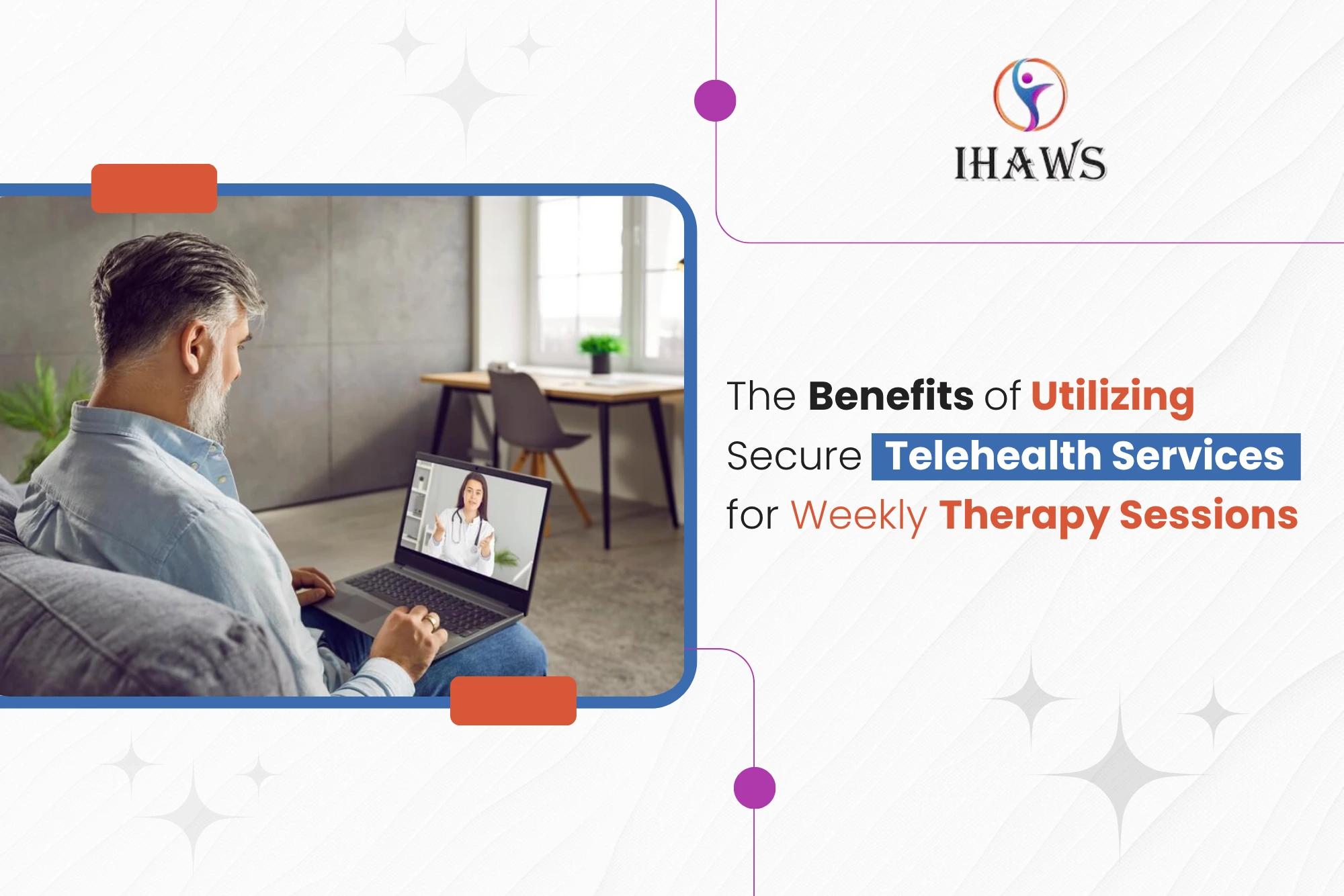
The majority of individuals who dropped out of therapy did not do so because the therapy failed to work. They dropped out because it was the third Tuesday in a row that the car wouldn’t start or the babysitter had cancelled, or a meeting at work had run late and by the time they got to where they needed to, half of the session was done.
Then there are few of those weeks, and rescheduling starts to feel more trouble than it is worth.
A lot of that friction is eliminated with telehealth. The appointment, however, remains on the calendar.
Weekly Only Works If It’s Actually Weekly
Therapy is not really a series of separate appointments. It is closer to one long conversation that happens to get interrupted by a week in between. Miss two or three of those interruptions and the next session spends its first fifteen minutes catching back up instead of moving anywhere new.
A telehealth session can happen on a lunch break, in a parked car, at the kitchen table after the kids are down. Removing the commute removes most of the reasons a session gets pushed to “next week” and then pushed again.
What Secure Actually Means
“Secure” gets used loosely in healthcare marketing, so it is worth being specific. A telehealth platform built for mental health care should give you:
- End-to-end encrypted video, the same standard banks use for online transactions
- HIPAA-compliant scheduling and record systems
- No recording or storage of what is said during the session
- Login access restricted to you and your provider, nobody else
You should not have to ask a provider whether their platform does this. A real one already has it set up before you ever log in.
Your Own Space Tends to Loosen People Up Faster
A therapy office is a fine place to talk, but it is still somebody else’s room. New furniture, a stranger’s framed diplomas on the wall, that particular waiting-room quiet before your name gets called. None of it is bad, exactly. It just takes a few minutes to settle into.
On a couch at home, that settling period mostly disappears. People dealing with trauma or anxiety in particular tend to open up faster somewhere their nervous system already recognizes as safe.
Geography and Logistics Stop Deciding Who Gets Care
Plenty of people live an hour from the nearest provider who actually treats what they are dealing with. Plenty more do not have a reliable car, or work a schedule that does not bend for a 2pm appointment, or have nobody to watch their kids on a weekday afternoon. None of that is a character flaw. It is just logistics, and telehealth quietly solves most of it.
It also covers the smaller disruptions. A bad snowstorm. A cold that makes leaving the house miserable. A work trip three states away. The appointment stays put even when the rest of the week falls apart.
Where This Tends to Matter Most
- People with rigid or unpredictable work schedules
- Parents and caregivers without reliable backup
- Anyone in a rural area without a nearby specialist
- People early in addiction recovery, where a missed weekly check-in can be the difference between staying on track and losing momentum
Sessions That Stay on the Calendar, Wherever You Are
IHAWS runs both in-person and telehealth appointments for counseling, psychiatric medication management, and substance use treatment, with the same privacy protections no matter which one you choose. The point is not to replace in-person care. It is to make sure a hard week does not also have to mean a missed session.
Reach out below to set up weekly care that actually fits into your week.
Phone – (302) 427-8000