
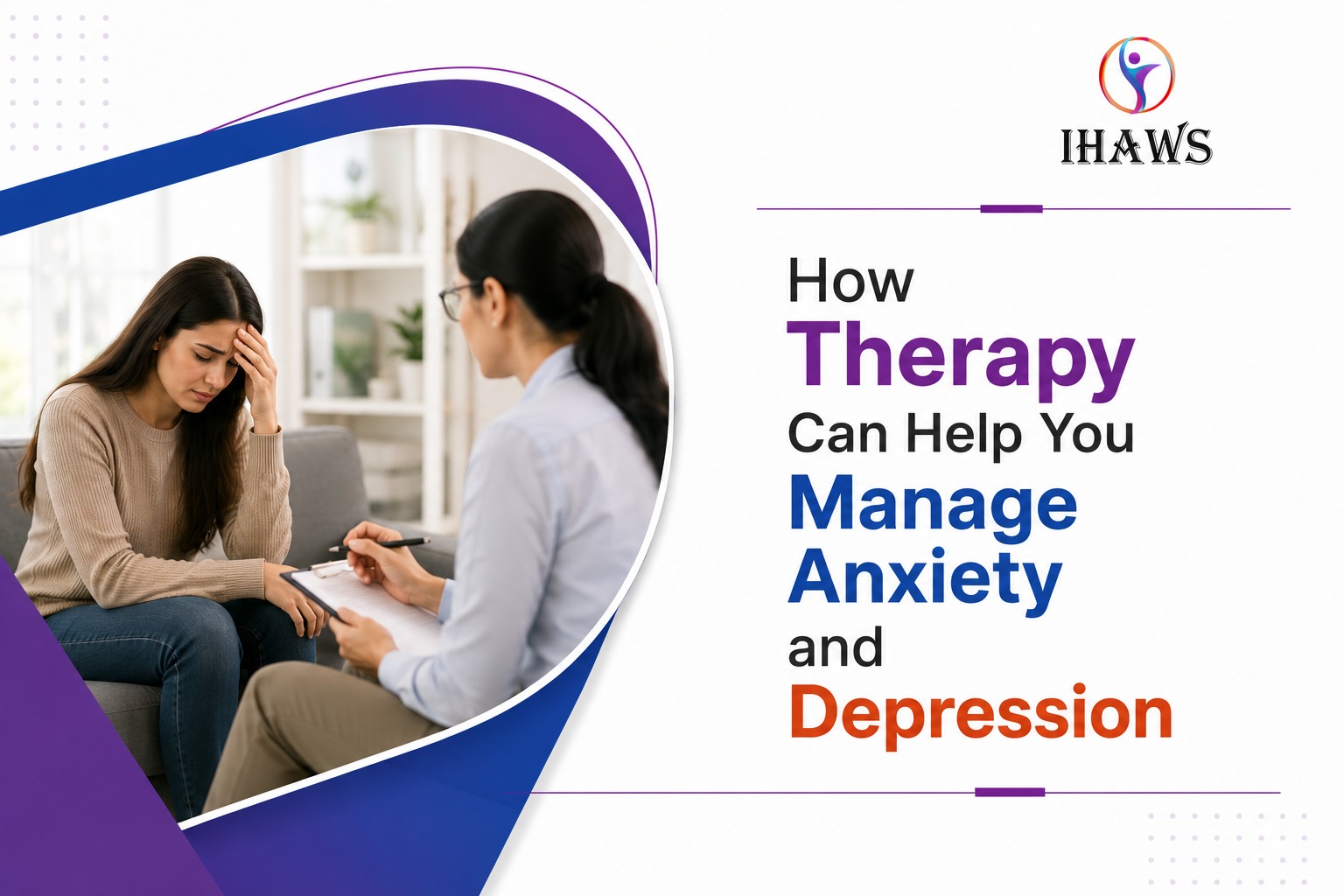
Anxiety and depression can affect the way a person thinks, feels, behaves, and manages everyday life. While everyone may experience stress, sadness, or worry from time to time, ongoing symptoms that interfere with work, relationships, sleep, or daily responsibilities may be a reason to seek professional support.
Therapy can provide a structured and supportive space to talk about difficult emotions, understand patterns in thoughts and behaviors, and develop strategies for managing mental health challenges.
For individuals looking for mental health support in Wilmington, DE, therapy and counseling may be part of a personalized treatment approach based on individual needs.
What Is Therapy?
Therapy, also known as counseling or psychotherapy, involves working with a qualified mental health professional to better understand emotional, behavioral, or psychological concerns.
During therapy, individuals may discuss:
- Anxiety and excessive worry
- Feelings of sadness or hopelessness
- Stress and life challenges
- Relationship concerns
- Changes in mood
- Difficult experiences
- Negative thought patterns
- Personal goals
The approach used in therapy can vary depending on the individual and their specific concerns.
How Can Therapy Help With Anxiety?
Anxiety can affect people in different ways. Some individuals may experience constant worry, difficulty concentrating, restlessness, sleep problems, or physical symptoms related to stress.
Therapy can help individuals better understand what may contribute to their anxiety and identify patterns that affect their thoughts, emotions, and behaviors.
A therapist may help you:
- Identify situations or thoughts that contribute to anxiety
- Understand patterns of excessive worry
- Develop healthy coping strategies
- Learn techniques for managing stress
- Improve emotional awareness
- Build confidence in handling challenging situations
Therapy does not necessarily remove every stressful situation from life, but it can help individuals develop skills to respond to challenges in healthier and more manageable ways.
How Can Therapy Help With Depression?
Depression can affect mood, motivation, energy levels, relationships, and everyday activities. The experience can vary significantly from one person to another.
Therapy provides an opportunity to talk openly with a qualified professional about what you are experiencing.
During therapy, individuals may work on:
- Understanding emotional patterns
- Identifying negative or unhelpful thought patterns
- Setting realistic personal goals
- Developing healthy routines
- Improving communication and relationships
- Finding strategies for managing difficult emotions
- Addressing life experiences that may contribute to emotional distress
For some individuals, therapy may be one part of a broader mental health treatment plan.
Different Types of Therapy for Anxiety and Depression
Mental health professionals may use different therapeutic approaches depending on a person’s needs, symptoms, and treatment goals.
Individual Therapy
Individual therapy involves one-on-one sessions with a mental health professional. It provides a private setting where a person can discuss personal concerns and work toward specific goals.
Cognitive Behavioral Therapy (CBT)
Cognitive Behavioral Therapy, commonly known as CBT, focuses on the connection between thoughts, emotions, and behaviors. It may help individuals recognize and address patterns that contribute to emotional distress.
Group Therapy
Group therapy allows individuals to participate in sessions with others who may be facing similar challenges. A qualified professional guides the sessions and supports constructive discussion.
Family Therapy
Family therapy may be helpful when mental health challenges are affecting family relationships or when family support is an important part of the treatment process.
The most appropriate therapeutic approach can depend on the individual’s needs and should be discussed with a qualified mental health professional.
Therapy Can Help You Understand Your Thoughts and Emotions
One of the benefits of therapy is having an opportunity to explore thoughts and emotions in a supportive environment.
Many people dealing with anxiety or depression may struggle to understand why they feel a certain way. Therapy can help individuals identify patterns and better understand how different experiences, situations, and thought processes may affect their emotional well-being.
Over time, individuals may develop greater awareness of:
- Emotional triggers
- Thought patterns
- Behavioral habits
- Sources of stress
- Relationship dynamics
- Personal strengths
This understanding can help guide future coping strategies and treatment goals.
Therapy Can Help You Develop Healthy Coping Strategies
Everyone manages stress differently. Some coping strategies may be helpful, while others may provide only temporary relief or create additional challenges over time.
Therapy can help individuals explore healthier ways to respond to difficult emotions and situations.
Depending on the person and therapeutic approach, this may include strategies related to:
- Stress management
- Emotional regulation
- Communication
- Problem-solving
- Establishing healthy routines
- Setting boundaries
- Managing negative thought patterns
These skills can often be practiced outside of therapy sessions as part of an individual’s ongoing mental health plan.
Therapy and Medication Management
For some individuals, therapy may be the primary form of treatment. For others, psychiatric medication may also be considered as part of a broader treatment plan.
Therapy and psychiatric medication management serve different purposes, but they may sometimes work together.
Medication management focuses on evaluating and monitoring medications when clinically appropriate, while therapy focuses on emotional, behavioral, and psychological support.
A qualified healthcare professional can help determine which options may be appropriate based on an individual’s symptoms, medical history, and treatment needs.
When Should You Consider Therapy for Anxiety or Depression?
It may be helpful to consider speaking with a mental health professional when symptoms are persistent or begin to interfere with daily life.
You may want to seek professional support if you are experiencing:
- Ongoing anxiety or excessive worry
- Persistent feelings of sadness
- Difficulty managing everyday responsibilities
- Changes in sleep or appetite
- Difficulty concentrating
- Withdrawal from relationships or activities
- Difficulty coping with stress
- Emotional symptoms that are affecting work, school, or family life
Seeking support does not mean that there is something wrong with you. For many people, therapy can provide an opportunity to better understand their mental health and learn new ways to manage challenges.
Therapy for Anxiety and Depression in Wilmington, DE
Finding the right mental health provider can be an important part of your treatment journey.
Integrated Health & Wellness Services (IHAWS) provides mental health and counseling services for individuals seeking professional support in Wilmington, Delaware. Treatment approaches can vary based on individual needs, concerns, and goals.
Whether you are experiencing anxiety, depression, ongoing stress, or other mental health concerns, speaking with a qualified professional can help you better understand your options.
How to Get Started With Therapy
Starting therapy may feel unfamiliar, especially if you have never worked with a mental health professional before.
The first step is usually scheduling an appointment and discussing what you have been experiencing. You may be asked about your symptoms, personal history, current challenges, and goals for treatment.
You can also use your first appointment to ask questions and learn more about the available services.
Frequently Asked Questions
Can therapy help with anxiety?
Therapy can help individuals better understand anxiety, identify patterns that contribute to excessive worry, and develop coping strategies for managing stress and emotional challenges.
Can therapy help with depression?
Therapy can provide professional support for individuals experiencing depression and may help them explore thoughts, emotions, behaviors, and coping strategies as part of a personalized treatment plan.
How long does therapy take?
The length of therapy can vary depending on the individual’s needs, goals, symptoms, and the type of therapeutic approach being used.
Is therapy better than medication for anxiety or depression?
There is no single treatment approach that is right for everyone. Some individuals may benefit from therapy, while others may benefit from medication management or a combination of different treatment approaches.
What happens during the first therapy session?
During the first session, a mental health professional may ask about your concerns, symptoms, personal history, and treatment goals. It is also an opportunity for you to ask questions and learn more about the therapeutic process.
Where can I find therapy for anxiety and depression in Wilmington, DE?
Individuals looking for professional mental health support in Wilmington, Delaware, can contact Integrated Health & Wellness Services (IHAWS) to learn more about available counseling and mental health services.
Get Support for Anxiety and Depression
Managing anxiety or depression can feel challenging, but professional support may help you better understand your symptoms and explore appropriate treatment options.
If you are looking for therapy for anxiety and depression in Wilmington, DE, contact Integrated Health & Wellness Services (IHAWS) to learn more about available mental health and counseling services.
Take the first step toward professional support by contacting IHAWS today.